
The salivation process is controlled by the autonomic nervous system, so it is an involuntary process, just like the heartbeat.
The glands in the mouth that secrete saliva are called salivary glands, which are divided into major and minor salivary glands. There are three pairs of major salivary glands: the sublingual, parotid, and submandibular glands. In addition, there are numerous minor salivary glands distributed throughout the oral mucosa.
The salivary glands work continuously; in addition to keeping the oral environment moist, saliva also has the function of disinfecting, cleaning the mouth and aiding digestion.
In general, healthy adults secrete between 1 and 1.5 liters of saliva per day, which is an average of about 30 ml per hour.
Saliva secretion increases when we eat or when the nerves in the brain are stimulated.
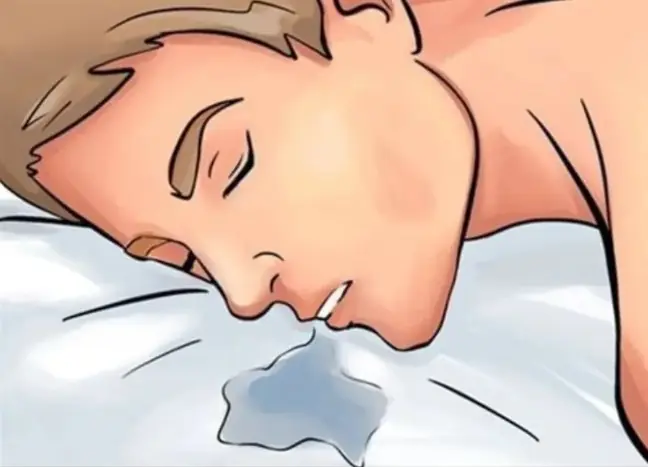
Mouth breathing, stress, fatigue, and improper sleeping positions can cause drooling during sleep.
In general, it is common for children to drool while sleeping because their lips are still weak and their oral cavity does not yet have the function of controlling drooling and swallowing saliva.
If adults drool suddenly and frequently while sleeping, they should be alert to the following diseases:
1. Oral diseases
Pharyngitis, maxillofacial inflammation and gingivitis can stimulate the secretion of salivary glands, causing drooling.
In addition, crooked or loose teeth and discomfort from wearing dentures can also cause drooling during sleep. After the teeth are aligned, the drooling will decrease.
2. Facial Paralysis.
Facial paralysis is a condition characterized by paralysis of the muscles on one side of the face. Due to the muscle asymmetry, it is difficult to retain saliva on the paralyzed side, and drooling is common, both while sleeping and upon waking.
If it is accompanied by symptoms such as twisted corners of the mouth, you should consult a doctor immediately.
3. Gastroesophageal reflux disease
Abnormal gastric acidity can increase the salivation reflex, and some patients with gastroesophageal reflux may present with symptoms of drooling, accompanied by common symptoms of gastroesophageal reflux disease, such as acid reflux, heartburn, and chest pain.