
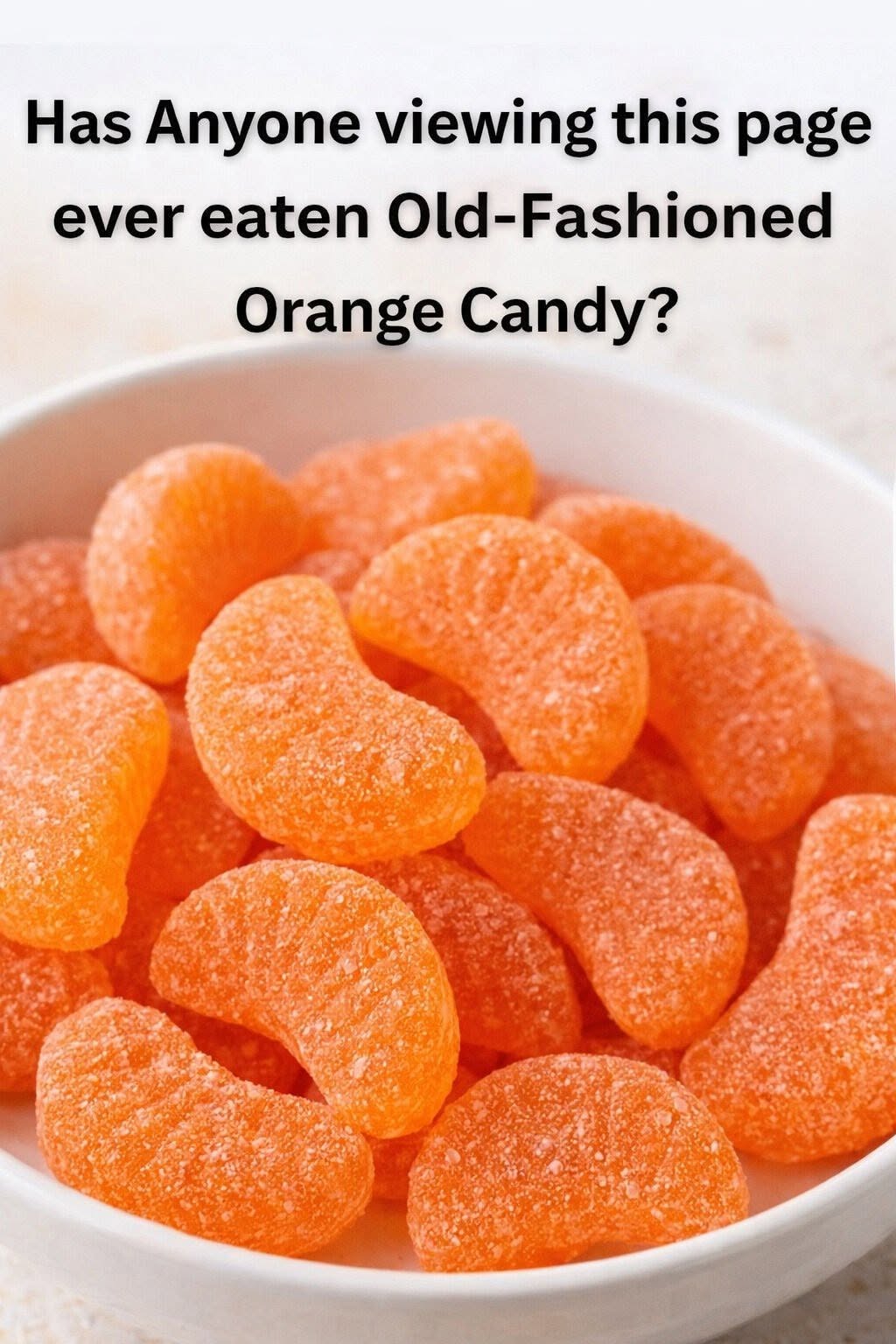
There is something undeniably comforting about recipes that have been passed down through generations. Long before online tutorials and glossy cookbooks.
Family favorites were preserved on handwritten index cards, tucked into kitchen drawers, or scribbled in the margins of well-worn notebooks.
These recipes were more than instructions — they were pieces of family history. Among those treasured traditions is a humble yet delightful confection often known simply as old-fashioned orange candy.
Soft, chewy, lightly sweet, and coated in powdered sugar, this vintage treat captures the warmth of shared kitchens and holiday gatherings.
It recalls an era when candy was not mass-produced in factories but assembled by hand at the kitchen table, often with children helping to sprinkle sugar or chop nuts.
The scent of citrus mingling with sugar and toasted pecans would drift through the house, signaling that something special was being made.
While modern store-bought sweets offer convenience and variety, they rarely evoke the same sense of nostalgia. This orange candy stands apart because of its simplicity.
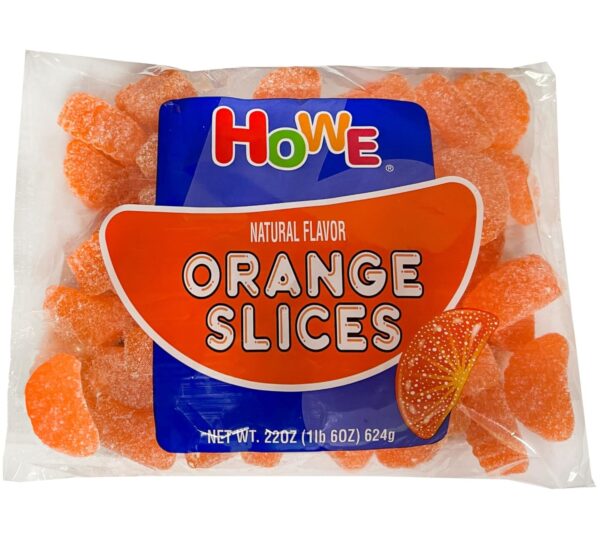
It uses familiar ingredients that are widely available in most grocery stores: orange slice candies, powdered sugar, and pecans. With minimal equipment and only a few steps, it transforms basic pantry staples into something that feels both personal and timeless.
A Glimpse Into Candy-Making Traditions
Before refrigeration and advanced food manufacturing, many candies were created using techniques that relied on sugar’s natural preserving qualities.
While this particular recipe is not as old as boiled sugar confections or brittle, it belongs to a long tradition of homemade sweets that became especially popular in the early to mid-20th century.
During that period, gelatin-based candies such as orange slices became widely available in the United States and other countries.
Home cooks discovered creative ways to incorporate them into desserts and candy trays. Rather than serving the candies straight from the bag, they experimented with rolling, layering, and coating them to create new textures and flavors.
This orange candy recipe reflects that spirit of ingenuity. By softening and reshaping pre-made orange slice candies, home cooks could create a confection that looked and tasted unique — something that felt handcrafted rather than store-bought.
Why Orange Slice Candies?
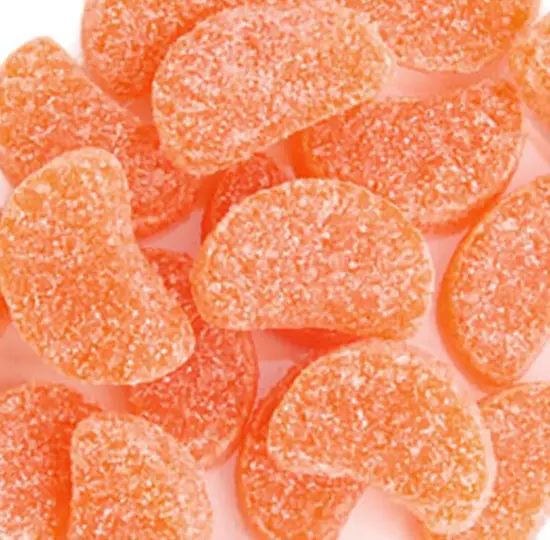
Orange slice candies are soft, sugar-coated jelly candies flavored with citrus. They are typically shaped like small wedges and dusted with granulated sugar. Their chewy texture makes them particularly suitable for reshaping and layering.
When briefly warmed, these candies become more pliable, allowing them to be flattened without tearing. Once cooled again, they regain their firmness while maintaining a tender chew. This characteristic makes them ideal for this old-fashioned preparation method.
Although orange is the traditional flavor associated with this recipe, variations often include lemon, lime, or cherry slice candies. These alternatives can create colorful assortments, especially during holidays when festive candy trays are common.
The Role of Powdered Sugar
Powdered sugar, also known as confectioners’ sugar, plays an important role in both texture and appearance. Unlike granulated sugar, powdered sugar is finely ground and often includes a small amount of cornstarch to prevent clumping.
When sprinkled over the flattened candy, it prevents sticking and adds a delicate sweetness without overwhelming the citrus flavor.
It also gives the finished pieces a soft, snowy coating that enhances their nostalgic charm. Visually, the powdered sugar creates a contrast against the vibrant orange hue of the candy, making each piece look inviting and festive.
Pecans: A Gentle Crunch
Pecans add balance to the candy’s soft chewiness. Their mild, buttery flavor complements citrus without overpowering it. Finely chopped pecans provide a gentle crunch that contrasts with the jelly candy’s smooth texture.

While pecans are traditional, other nuts such as walnuts can be substituted depending on preference. However, pecans are often favored because of their naturally sweet undertones and soft bite, which integrate well into the candy’s texture.
For best results, pecans should be fresh and finely chopped. Lightly toasting them before use can enhance their flavor, though this step is optional. If toasting, allow them to cool completely before adding them to the candy to avoid melting the sugar coating.
Step-by-Step Preparation
SEE THE NEXT PAGE
