
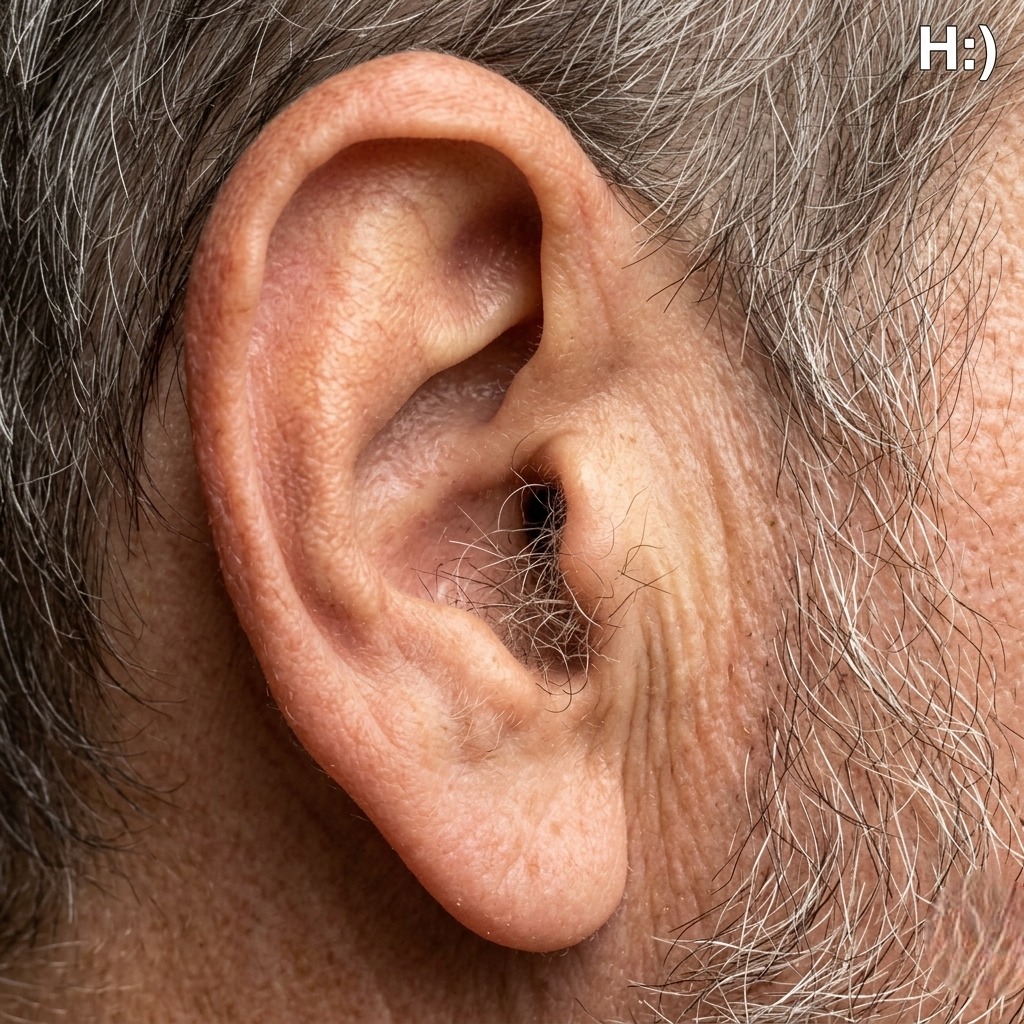
Ear Hair and the Biology of Aging: Understanding the Ordinary
Did you know that hair growing on your ears is a completely normal part of aging? This fact may sound simple, but for many people, it comes as a surprise. Ear hair—especially in older adults—can prompt curiosity, embarrassment, or even unnecessary anxiety. Some notice it suddenly after turning fifty or sixty and immediately worry that something is wrong. Others joke about it, hide it, or quietly obsess over its appearance. The reality, however, is far simpler, far more human, and far less alarming than myths suggest.
Ear hair growth is one of the most ordinary signs of aging, reflecting changes in hormones, genetics, and the body’s natural adaptation over time. While some bodily changes may feel disconcerting or unfamiliar, ear hair is not a symptom of illness, imbalance, or decay. Instead, it is an expression of a normal biological process. Understanding why ear hair appears and why it changes over the years can help replace confusion with clarity—and embarrassment with acceptance.
The Process of Aging and Uneven Changes
Aging is not a malfunction. The human body does not age uniformly. Some systems shift earlier, others later, and hair is one of the most visible markers of this uneven process. As hair thins on the scalp, new hair can emerge in areas that once appeared hairless: ears, nose, and eyebrows. This paradox often confuses people, but it follows a clear biological logic rooted in hormonal sensitivity and follicle activity.
Hair follicles exist across most of the body. What changes over time is how these follicles respond to chemical signals, particularly androgens—hormones like testosterone and dihydrotestosterone (DHT). In certain tissues, such as the scalp, follicles may shrink or become less active, causing hair thinning. In others, like the ears or nose, follicles may become more responsive. Over decades, this differential sensitivity produces the visible pattern of hair loss in some places and hair growth in others.
Hormonal Influences on Ear Hair
Hormones are chemical messengers that regulate a vast array of bodily functions, from metabolism to reproductive health. Testosterone levels may gradually decline with age, but follicular sensitivity to androgens can increase in select regions. This is why it is common for older adults—particularly men—to experience thicker, longer ear and nose hair even as the hair on their head thins.
Women, too, experience ear hair growth, typically after menopause. Estrogen levels decrease, reducing the hormone’s dampening effect on androgen-driven hair growth. This shift allows previously subtle hair to grow more noticeably. Hair follicles in both men and women are responding to the same biological cues, just in varying degrees depending on genetics, age, and hormonal balance.
The Role of Genetics
Genetics largely determine where hair grows, how thick it becomes, and the age at which changes occur. If male relatives—fathers, grandfathers, uncles—developed prominent ear hair in later life, it is likely their offspring may experience the same pattern. Genetics influence follicle density, hormonal sensitivity, growth cycles, and even color. Ear hair is rarely random; it is an inherited trait expressed differently in each person.
Ear Hair and Evolutionary Function
SEE THE NEXT PAGE
